Pain is the vital indicator that never sits silently. It distorts assessments, derails treatments, and breaks trust when it isn't taken seriously. If you work in emergency treatment, pre-hospital services, remote wellness, or any setting where points go wrong fast, you currently know that proficient analgesia isn't a nice-to-have. It is the difference in between a stable patient and a spiraling one. The nationwide device PUAEME008 Give Pain Monitoring exists for specifically that reason. It accredits that you can analyze, treat, and screen discomfort securely in the field, commonly with minimal resources and under pressure.
This guide is created for medical professionals and -responders considering up a discomfort monitoring course, attempting to decode what the device covers, where it fits, and whether it is worth your time. I will walk through scope, abilities, training pathways, analysis expectations, and the truths of using what you discover when the scene is noisy, the individual is scared, and the clock is unforgiving.
What PUAEME008 Is and Where It Fits
PUAEME008 Supply Pain Administration is a nationally recognised unit of competency commonly packaged within public safety, emergency situation care, and pre-hospital qualifications. You will see it paired with units like respiratory tract administration and carrying out restricted medications, and it regularly shows up hurting administration training courses for nurses, paramedics, and very first responders that need to work within medical administration frameworks.
The heart of the device is functional. You are analyzed on your ability to review pain, select the best analgesic path, supply the intervention safely, monitor the client, document what you did, and interact modifications clearly to a getting clinician. The context often presumes constricted atmospheres, for instance, roadside incidents, remote centers, sporting venues, or industrial sites. The content appropriates for experts seeking a pain monitoring certification as stand-alone upskilling or as component of a wider pain management qualification program. If you currently hold a medicines recommendation or are pursuing one, this device dovetails neatly.
Expect the training to deal with both pharmacological and non-pharmacological choices. Many carriers align the pharmacology element with representatives typically authorized for first-line analgesia in pre-hospital protocols, such as inhaled methoxyflurane, oral paracetamol, ibuprofen, intranasal fentanyl, or intramuscular ketamine, subject to jurisdictional rules and the student's range of technique. Not every provider will certainly cover every medicine. Check prior to https://privatebin.net/?39e19ace07c6c9df#C6tWWgNx3pQz2TGEr7BFXbcmdpdV2TjCwqCswa1ifhma enrolling, particularly if your duty requires particular agents.
The Medical professional's Reasoning: Why This Device Matters
Pain isn't simply a sign to be tape-recorded. Unrestrained discomfort triggers sympathetic surges, increases catecholamines, gets worse myocardial oxygen need, and can push at risk patients right into dangerous area. It additionally sabotages cooperation, transforming a straightforward splinting task into a fumbling match. In an injury scenario or a weakening clinical individual, efficient analgesia can soothe the individual, reveal hints you can not otherwise examine, and make it possible for risk-free transport without physical or psychological harm.
There's another reality. Negative discomfort monitoring wears down count on. People bear in mind whether you attempted to aid them injure much less. A discomfort management certificate program that fine-tunes your language, hones your assessment, and imposes regimented surveillance pays rewards in connection and results. Throughout the years I have actually seen anxious individuals become companions in their very own care within mins, even if the medical professional called their pain, offered options, and delivered alleviation with quiet confidence.
Who Usually Enrols
The cohort is varied. Pre-hospital -responders, consisting of firemans and rescue volunteers, complete PUAEME008 Give Pain Monitoring as component of a proficiencies bundle. Registered nurses that operate in urgent treatment or outreach use it to define functional analgesia abilities that go beyond their preliminary registration program. Physiotherapists, specifically those operating in sports insurance coverage or remote technique, complete pain monitoring training as an adjunct to very first -responder duties. Allied health professionals who operate in rural settings likewise benefit if their employer anticipates on-call emergency situation response.
If you are looking for discomfort management training courses for registered nurses or discomfort monitoring courses for physio therapists, you will certainly locate PUAEME008 embedded in other words courses in pain monitoring that suit both professions, supplied your existing extent allows you to administer the representatives showed. The training carrier need to establish entrance requirements plainly, as an example, present first aid at a sophisticated level, proof of specialist enrollment, or company endorsement for medicines administration.
What the Device Covers in Practice
Training usually starts with foundations before moving right into scenario job. You will learn structured discomfort assessment, with emphasis on numeric rating ranges, useful impact, and pain descriptors that guide the differential diagnosis. The goal is to treat what you can while not missing what you should not. For instance, sharp pleuritic upper body pain in a tachycardic adult could suggest blood clot or pneumothorax rather than a basic bone and joint strain. A great facilitator maintains bringing you back to the question, "Suppose this isn't benign?"
The pharmacology component concentrates on security, onset, duration, and contraindications. Think about methoxyflurane for fast, short-term relief when IV or intranasal choices are postponed, intranasal fentanyl for rapid titration without IV accessibility, dental agents as standards, and ketamine as a dissociative alternative for severe discomfort where high blood pressure is rare or opioids would certainly create respiratory depression. Jurisdictional methods vary, so your pain monitoring training should map to your regional medical guidelines and medication schedules. Paperwork and management recording are pierced consistently, consisting of set numbers when appropriate, times, dosages, and client responses.
Non-pharmacological methods are not home window dressing. Splinting, gentle repositioning, cozy or chilly treatment, led breathing, disturbance, and clear explanations can lower needed dosages and stay clear of negative events. In an instance from a sports area occurrence, a well-applied vacuum splint with assuring training reduced a patient's pain by fifty percent prior to any type of medicine was delivered. That margin issues when oxygen saturation is borderline or the person is frail.
Monitoring is non-negotiable. You will certainly be analyzed on pre and post analgesia vital signs, sedation scales, respiratory system rate patterns, level of awareness, and useful improvement. The best prospects show interest and continuity, asking not just "What is the pain rating currently?" however "What can you do now that you could not do before?"
Legal Structure and Scope
Medication administration is regulated by state and area legislation, organizational credentials, and your expert enrollment. A discomfort monitoring certificate does not amazingly provide authority to give every analgesic. Competence should sit inside a scientific administration envelope that establishes standing orders, protocols, and supervision needs. Companies usually call for money checks, skill logs, and regular reassessments.
This is where a discomfort management accreditation course differs from casual CPD. The certification supports your practice in audited criteria. However it still relies upon your company's procedures and your professional extent. If you are a registered nurse in a remote clinic with a prolonged method endorsement, your options might be more comprehensive than those of a volunteer -responder functioning under a basic procedure. The training must assist you browse those limits without risking individual safety and security or your registration.
The Assessment: What to Expect
Assessment is normally split right into theory and sensible elements. Concept covers pharmacology, contraindications, negative effects, and lawful obligations. Most companies utilize situation stations for the sensible. You could be asked to manage an elderly person with a fractured neck of femur, a young adult with a dislocated shoulder, or a multi-injury car collision person with distracting pain and progressing vitals. The assessor enjoys how you talk to the patient, exactly how you select your analgesia, whether you check allergic reactions and last dental consumption, and how you titrate and reassess.
Expect to provide a handover to a receiving clinician. Clear structure helps: person demographics, system of injury or ailment, pain history and score, interventions with timing and dosage, action, damaging impacts, and present plan. Smooth handover mirrors authentic understanding, not rote discovering. If your course includes simulated radio records, welcome them. In genuine occasions, a great very early telephone call can prime the team and shorten time to clear-cut care.
Tips from the Field: Doing the Fundamentals Extremely Well
Pain monitoring is not concerning rushing to the syringe. It begins with interest. A company, correctly sized splint or a gentle rearrange with a pillow under a rounded lumbar spinal column can exceed any kind of pharmacology that arrives 5 mins later. I advise pupils to make the initial min matter: name the discomfort, confirm it, and provide a quick roadmap of what comes next. Stress and anxiety drops, respiratory price steadies, and your assessment ends up being easier.
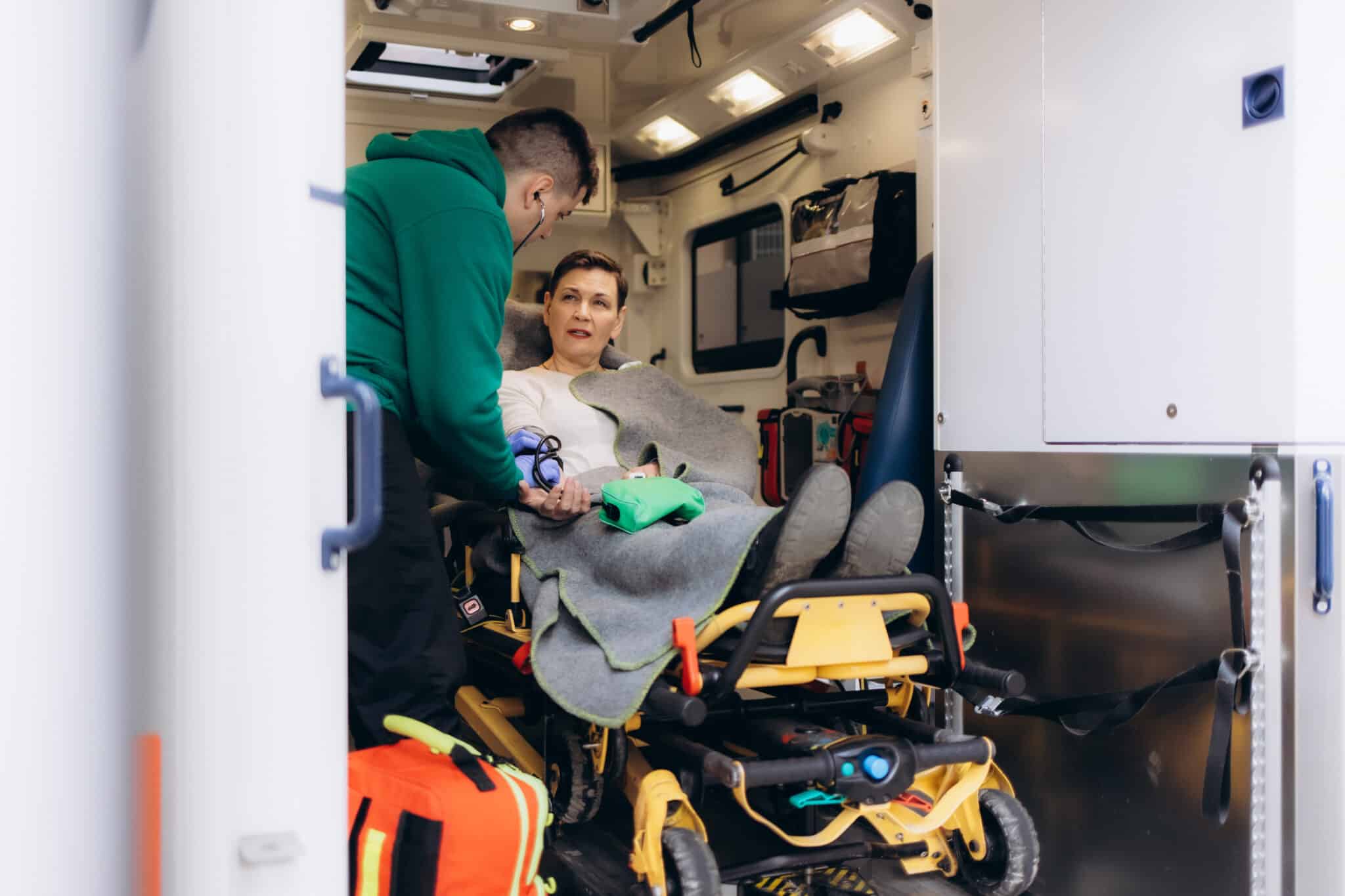
Dosing in the field compensates restriction combined with decisiveness. Under-dose and the patient suffers. Overdo it and you run the risk of sedation, hypotension, or nausea or vomiting that threatens care. Use your monitoring data to titrate. If you provide intranasal fentanyl, established a psychological timer, reassess in mins, and readjust with tiny increments. If you utilize methoxyflurane, trainer breathing method and expect beginning within a few breaths. For ketamine, be ready to explain dissociation and maintain a tranquil setting, minimizing stimulation while you keep an eye on blood pressure and mental status.
Side results monitoring ought to be second nature. Nausea or vomiting rates differ with different agents, and pre-emptive antiemetics are not always available in entry-level methods. Simple steps like transforming the head sideways, having a receptacle ready, and stopping inhalation can avert issues. Respiratory system anxiety demands preparedness: respiratory tract adjuncts, placing, suction if required, and oxygen per local advice. Be comfortable contacting medical assistance early if your client's feedback is irregular or concerning.
Choosing the Right Provider
Not all pain monitoring training courses are equivalent. Seek positioning with your jurisdiction's procedures and the medications you are anticipated to make use of. Verify that the company problems a Statement of Attainment for PUAEME008 Give Pain Management which the trainers have current, appropriate experience. It makes a distinction when your facilitator has actually taken care of roadside cracks on a chilly night or juggled analgesia for a flustered head injury where hypotension would be disastrous.
Simulator top quality and situation realistic look matter. High-fidelity manikins are valuable for keeping an eye on and airway responses, yet a proficient function player can teach you extra about connection and stress and anxiety administration. Ideally you will encounter varied patient accounts: pediatric, senior citizen, low body mass, and comorbid conditions. If your duty involves events insurance coverage or remote work, ask whether the course consists of environmental restrictions, such as sound, inadequate lighting, restricted equipment, and lengthy transport times.
How PUAEME008 Incorporates with Broader Education
Many clinicians stack this unit with air passage monitoring, spinal injury treatment, trauma life support, and administering limited medicines systems. If you prepare to develop a pathway towards broader pain administration accreditation, think about a sequence that reinforces decision-making under tension. A certificate course in pain administration should not stay in isolation. Analgesia options intersect with hemodynamics, airway protection, and neurological standing. The educational program ought to aid you balance these completing priorities.
For nurses, discomfort monitoring training for registered nurses frequently pairs with IV cannulation and drug safety components, specifically if you work in immediate care. For physiotherapists, pain monitoring courses for physiotherapists may highlight musculoskeletal analysis, splinting effectiveness, and cooperation with clinical staff. Consider PUAEME008 as a main web link in pain management certification course a chain of proficiencies that makes you more secure and better in multi-disciplinary teams.
Common Challenges and Just how to Avoid Them
I have seen repeat mistakes during assessments and on real jobs, and they are preventable. The greatest one is skipping a complete pain history once the very first dose is given. You still need start, personality, radiation, connected signs, and warnings, also if the client is beginning to kick back. The second error is neglecting non-pharmacological approaches, which causes higher drug doses and more negative effects. The third is failing to prepare for adjustments: for instance, offering an agent that is most likely to drop high blood pressure in a person currently borderline hypotensive, or selecting a breathed in alternative in a hypoxic, nauseated patient.
Documentation lag creeps up during busy scenes. If you do not catch dosage, time, course, and response contemporaneously, restoration later on will be blurry and susceptible to error. Produce a routine: med in hand, watch in view, pen all set. Lastly, communicate with your group. If your companion does not understand you have actually currently administered a dosage, dual application can take place during disorderly moments.
Realistic Situation Snapshots
A country collision, solitary car right into a tree, middle-aged driver with an isolated tib-fib fracture. Vitals are secure yet the individual is distressed and shivering. You apply a vacuum splint and heating covering while preparing methoxyflurane. After four to 6 breaths, the patient's discomfort score goes down from eight to 5. You coach slower inhalations and reassess circulation distal to the splint. With improved convenience, you record a more reliable history and verify no chest pain or abdominal inflammation. Transfer proceeds smoothly, and you hand over with accurate times and feedbacks. The analgesia offered you room to believe and avoided additionally tissue trauma.
A senior lady with a low-energy hip fracture in your home. You find a shortened, externally rotated leg and modest hypotension. Dental representatives are restricted by nausea or vomiting, and inhaled analgesia may aggravate dizziness. You opt for titrated intranasal fentanyl with cautious surveillance, raise the legs somewhat, and lessen movement with mild repositioning and cushions. You reassess often, enjoying breathing rate and consciousness while getting ready for a longer extrication. Without rushing to high doses, you accomplish a tolerable pain degree and preserve perfusion.
A teen athlete with shoulder misplacement on a football field. He fears, taking a breath fast, and safeguarding. You offer training, ice, and urge slow-moving exhalation while putting together the decrease tools. With breathed in analgesia and clear explanation, you attain a gentle decrease without excessive pressure. The patient reports prompt relief and boosted function. The rate remained calm because you acknowledged the anxiety and dealt with the pain early.
Currency, Refresher Expectations, and Skills Over Time
Skills degrade. It takes months, not years, for a practitioner to lose the rhythm of assessment, dosing periods, and documentation flow if they are not making use of the abilities frequently. Several companies establish refresher course intervals for PUAEME008 Supply Discomfort Monitoring around the 1 to 3 year mark, usually combined with more comprehensive emergency care updates. If your exposure is low, seek situation practice and monitored cases. Maintain a log of actual cases with de-identified information: initial pain score, agent and dosage, feedback, and any type of negative results. Patterns will arise that improve your judgment.
Competence is greater than a certificate. In time, the very best professionals become quiet and systematic in their strategy, fast to involve the person in choices, and disciplined in tracking. They anticipate as opposed to react. They understand when to escalate for extra assistance and when to move from one analgesic path to an additional. That is what this device is expected to seed.
What This Appears like on Your Resume and At Work
Completing a provide discomfort management training course that causes the PUAEME008 statement of accomplishment signals to employers that you can manage among one of the most frequent and substantial troubles in emergency situation care. For team leaders, it reduces danger. For the general public, it improves experience. When paired with solid communication skills, it can set you apart in competitive duties where patient call is intense and results depend on early, efficient interventions.
Candidates applying to event medicine, industrial websites, mines, or remote centers are often screened for practical expertises, not just levels. Having discomfort administration certification in a layout identified by nationwide standards makes your instance simple. It likewise nudges your group society towards far better analgesia. When one clinician documents diligently and advocates for very early discomfort alleviation, peers tend to follow.
Selecting Between Short Programs and More Comprehensive Programs
Some learners want targeted upskilling, so they go with brief courses in pain monitoring that provide PUAEME008 and absolutely nothing else. This is effective if you currently have durable air passage and injury care training. Others favor to sign up in a discomfort administration qualification program bundled with complement systems such as IV therapy, oxygen treatment, or injury response. The second path generates a richer, integrated skill set but requires more time and cost.
Make the choice based on your duty and gaps. If you are a nurse with solid scientific foundations however brand-new to pre-hospital logistics, a package that consists of scene security and communications could assist. If you are a physiotherapist mostly covering sports events with medical assistance close by, a shorter, snugly focused discomfort management training program can be excellent, offered you recognize your medication authority restrictions and regional recommendation pathways.
Costs, Time Commitments, and What to Ask Prior To You Enrol
Most programs run between one and two days of focused direction, with pre-reading and online theory elements. Prices differ commonly by service provider, location, and included medicines, yet anticipate a range that mirrors trainer know-how and simulation resources. Prior to you devote, request for a breakdown: contact hours, circumstance matter, optimum course size, medicine formulary covered, and the exact analysis approach. Validate that the issued documentation clearly notes PUAEME008 Give Pain Monitoring by code and title, as companies and auditors look for those details.

If your organization funds the training course, align dates with operational requirements and ensure your tools pouch will match what you find out. Nothing eliminates ability transfer quicker than finding out to use a gadget you never bring, or memorizing a method your service does not permit. After the program, schedule an abilities talk to your scientific lead and run a mock scenario with your team to install the changes.
Final Ideas on Proficiency and Mindset
Pain administration is, at its finest, a mix of scientific research and presence. You need the pharmacology at your fingertips and the humility to pause, listen, and measure. You will run into edge instances: a stoic farmer that ranks discomfort as three but can not birth you touching the limb, a youngster who howls at the view of the mask but quiets when you allow them hold it, a sickly person whose blood pressure does not endure your first medication choice. The training had in PUAEME008 arms you with structured alternatives. Experience will educate you when to damage the rhythm and improvisate securely within protocol.
If you purchase a supply discomfort monitoring course with reputable evaluation, devote to ongoing method, and cultivate the behavior of early comfort actions, you will certainly alter client experiences in extensive ways. You will certainly also make your work easier, your handovers cleaner, and your team extra efficient. That is the silent power of proficient analgesia: it steadies the person and steadies the clinician, getting rid of the means for the remainder of the job that must be done.